Twenty years ago, a Predator drone strike in Yemen killed six suspected al-Qaeda operatives. It was the first lethal drone operation outside a declared war zone. At the time, it felt like a glimpse of the future. Now it looks like ancient history.
From Eyes in the Sky to Angels of Death
Military drones started as reconnaissance platforms—expensive, fragile things that gave commanders a bird's-eye view without risking pilots. The shift to armed drones happened faster than anyone expected. The MQ-1 Predator, originally designed purely for surveillance, got retrofitted with Hellfire missiles in 2001. Suddenly, watching and killing became the same operation.
That integration changed everything. Drone operators in Nevada could track targets in Afghanistan for weeks, then eliminate them between lunch and dinner. The psychological distance this created—for operators, for policymakers, for the public—is something we're still grappling with.
The Democratization Problem
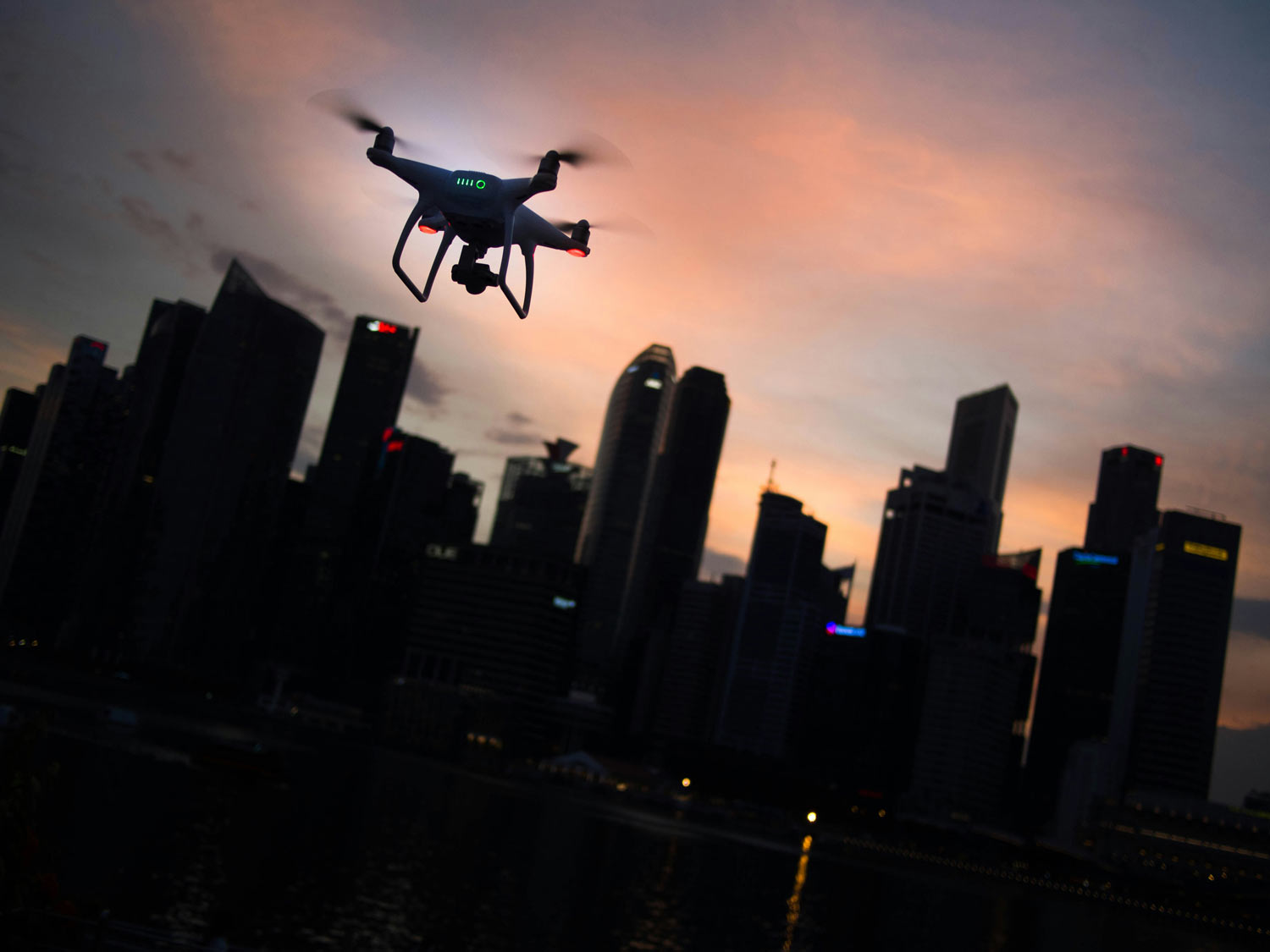
Here's what's genuinely unsettling: the technology that once required superpower budgets now costs less than a used car. Ukraine has proven that consumer-grade quadcopters, modified with 3D-printed fins and grenades, can destroy million-dollar tanks. The Houthis are launching drone swarms at commercial shipping. Cartels use drones for surveillance and payload delivery.
The barrier to entry has collapsed. And that changes the strategic calculus in ways military planners are still struggling to model.
- Cost asymmetry — A $500 drone can neutralize equipment worth thousands of times more
- Operator distance — Strikes happen without physical presence, reducing political costs
- Swarm tactics — Quantity has a quality all its own when drones coordinate autonomously
The Autonomy Question
The next frontier isn't remote control—it's no control at all. Autonomous drones that identify and engage targets without human approval already exist in prototype form. The technology is there. The ethics, the law, the doctrine? Not so much.
There's an argument that autonomous systems could actually be more discriminating than humans—no fatigue, no panic, no revenge. There's also an argument that delegating kill decisions to algorithms crosses a line we can't uncross. Both arguments have merit. Neither is winning.
The uncomfortable truth is that militaries will deploy whatever gives them an edge. Ethical frameworks tend to follow capability, not the other way around.
Where This Goes
Counter-drone technology is now a major industry. Electronic warfare, directed energy weapons, drone-hunting drones—the cat-and-mouse game is accelerating. But defense typically lags offense in this space. It's easier to build a cheap drone than to reliably stop one.
What we're watching is a fundamental shift in how violence gets projected. Drones haven't replaced traditional military power, but they've complicated it in ways that favor smaller, more agile actors. For better or worse, the monopoly on aerial warfare has been broken.
The genie isn't going back in the bottle. The only question now is how we adapt to a world where it's loose.